
He Said He Loved Me: Domestic Violence, Romeo Pimps, and the Line Between Them
*Content note: this post includes descriptions of abuse.
The summer I was thirteen
The summer I was thirteen, my mom left. She left me in charge of my eight-year-old brother with $20 and a book of food stamps.
I'd love to tell you I panicked. The truth is, I sort of just figured it out, the way kids do when there's nobody else to do it. We lived on tortillas and butter until the money ran out and I began stealing from the liquor store to feed us.
Then, an older boy stepped in to “help.” I met him at the community pool when I was 11. He seemed to have a crush on me, but I wasn’t interested. He still stuck around. That summer my mom left, he bought us food so I didn’t have to steal. He made me feel protected in a time when there was a gang war in our neighborhood.
I thought he loved me. Why wouldn't I?
By nineteen, I was working in a strip club and handing him every dollar I made.
What if your past didn't
have to define your future?
At thirteen, Harmony was left alone for the summer to care for her eight-year-old brother with $20 and a book of food stamps. The man who stepped in to help would later become her pimp. By nineteen, she was working in a strip club, handing him every dollar she earned, and couldn't see a way out.
Scars & Stilettos is the true story of how she found her way to freedom, healing, and a life she never imagined.
"This book was the catalyst that helped me make the decision to leave the adult entertainment industry." – Anonymous readerGET YOUR COPY
Also Available on Amazon.
How it turned
It didn't happen all at once. That's the part people have the hardest time understanding.
It started with him needing money for various “emergencies”. I gave him what little money I had. It quickly escalated to him telling me if he did not come up with larger sums by a certain time, there would be consequences. It wasn’t clear what those consequences were, but the sense was our safety was in jeopardy. Next thing you know, I was stealing from the register at work and running scams for him.
When his mother, who lived with schizophrenia, had a stroke and we (mostly I) became her primary taker, the financial strain increased. He told me I would only have to work in the strip club a couple of months, until things turned around. Months became years.
Over time, his control crept into every part of my life. That's a story for another post, because coercive control deserves its own space.
It wasn't all bad, and that's part of what kept me there. In the field, we call it intermittent reinforcement: the good and the bad come unpredictably, so you keep holding on for the good. We took trips to Big Bear. We went out to dinner and watched movies. We laughed sometimes. But his temper was unpredictable.
He was careful not to leave marks on my face. Once my body became a product that had to stay presentable, he found other ways to keep me afraid. Sometimes that meant holding a pillow over my face.
He didn't have to hurt me every day. Once you know what someone is capable of, the threat alone keeps you in line. The fear was always there.
Now, with a master's in social work and decades of walking alongside survivors, I can name every step. Love bombing. Isolation. Control of the money. Back then, I just called it my relationship.
I guess that's why the question "Why didn't she just leave?" still gets under my skin. Leave who? The only person who showed up for me? The person I thought my survival depended on? And what would happen to me if I did try to leave? I was afraid to find out.
What a Romeo pimp is
A Romeo pimp is a trafficker who poses as a boyfriend. He builds the relationship first. Then he uses love, loyalty, and fear to move her into the commercial sex industry and keep her there.
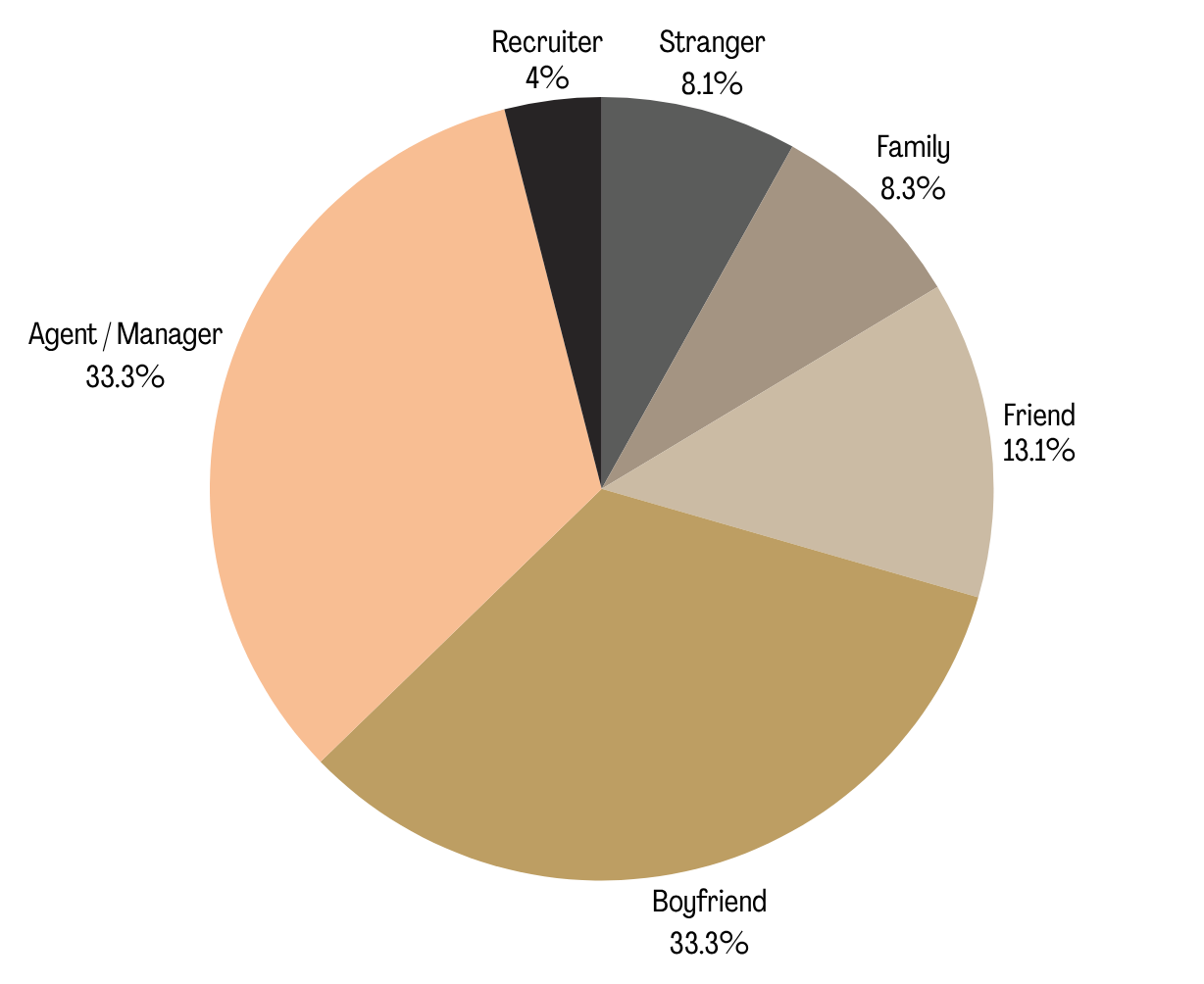
When most people picture trafficking, they picture a van and a stranger. Kidnapping is actually rare. Only 1 to 4 percent of trafficking victims are abducted. Somewhere between 66 and 90 percent are exploited by someone they know and trust, and between 1 in 5 and 1 in 3 are trafficked by a boyfriend or partner. In one breakdown of who recruited victims, boyfriends tied for the top spot at 33.3 percent.*
So when I tell my story, I'm describing something common. I was one of the many girls who got recruited by her boyfriend.
*Multiple Sources: Download our full stat guide and access the list of works cited
Where they overlap
If you put a domestic violence survivor and a survivor of a Romeo pimp in the same room, they'd finish each other's sentences. The playbook looks almost the same and can include the following:
• Love bombing at the start
• Cutting her off from family and friends
• Taking her phone or tracking her location
• Controlling her money, her food, her clothes, even the car
• Threats, weapons, and physical violence
• A trauma bond that makes leaving feel impossible
I've sat across from so many women at Treasures who were sure their story was the exception. Then they hear someone else's, and it's like hearing their own life read out loud.
Where they split
The difference comes down to what he wants.
In domestic violence, he wants her. Control is how he keeps the relationship. With a Romeo pimp, he wants what she can earn.
The relationship is how he recruits her. Both are abuse. Both are dangerous.
In pimp culture, romance gets taught like a business strategy. One pimp's book tells men that the small things matter, like remembering her birthday or listening when she talks, because "unless she feels love for you she ain't going to bring you money." Pimpology by Pimpin’ Ken
The first time I read that, I had to put the book down. In fact, I had to put that book down dozens of times because it painfully illustrated that my story is not just the result of a bad dude doing bad things, but a reflection of a glorified culture of exploitation and the methodical, calculated, premeditated exploitation of women with it’s own instruction manual.
Then there's the paper trail. Phone, ads, hotel rooms, rental cars, Cash App, all in her name. On paper, she looks like she's working for herself. That protects him, and it leaves her holding all the risk.
Why doesn't she leave?
By the time anyone thinks to ask, he controls her phone, her money, her family, and sometimes her children. Every day comes down to one question: What does he want me to do, and what does he want me to say?
And sometimes it starts as domestic violence and turns into trafficking later. Force might not show up for months. If she went in seemingly willing and was coerced later, it's still trafficking.
We don’t stay because we want to. We stay because we don’t see a way out. We don’t need people telling us to leave. We need people who can show us a viable path to freedom.
So when someone asks me why she doesn't leave, I ask them a different question. What would she need to have in place to survive leaving?
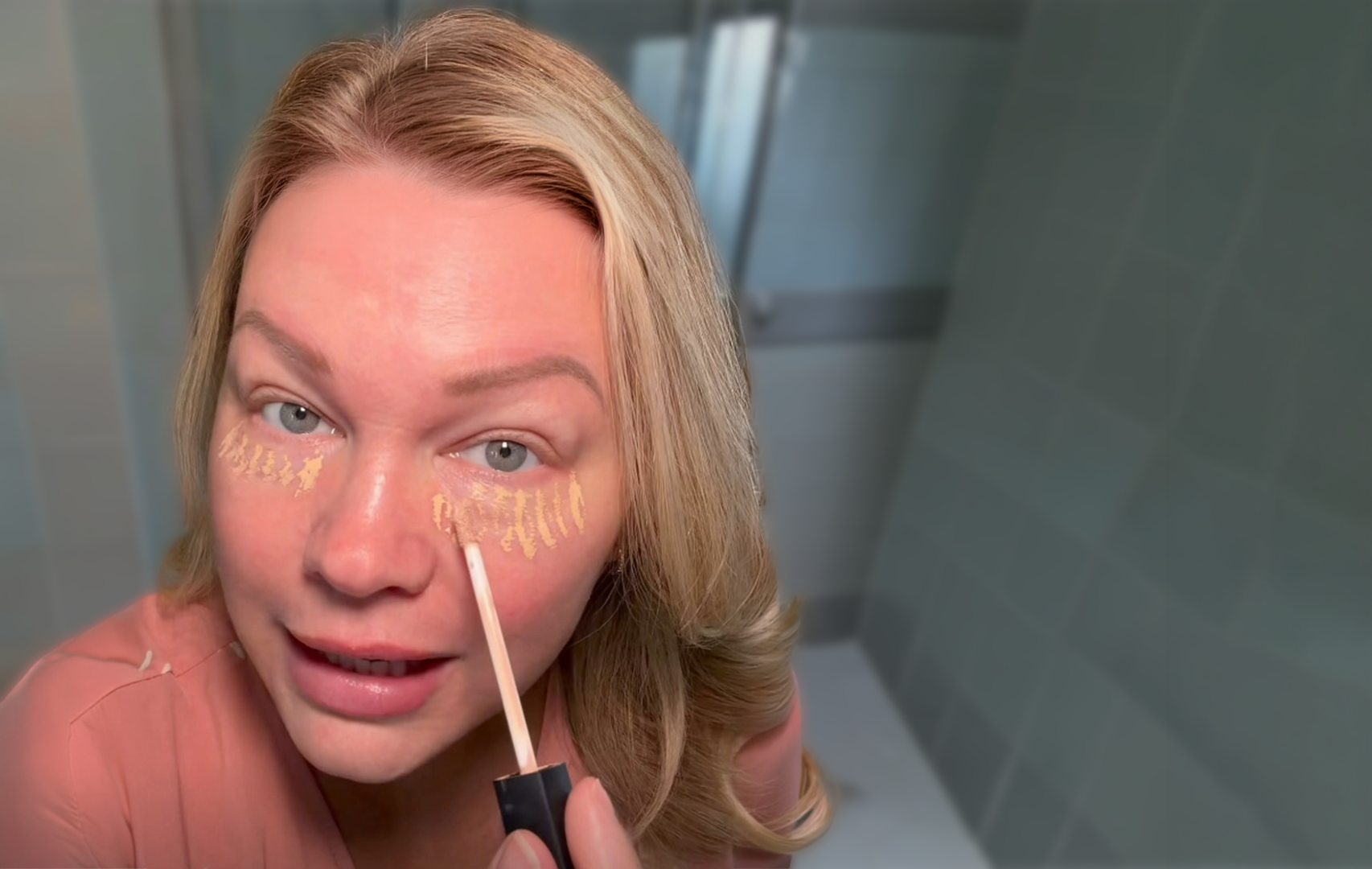
Watch Now: “Why People stay in abusive relationships”
From Harmony Dust’s tiktok
If this sounds familiar
I started Treasures because I remember what it felt like to feel trapped and alone. To believe nobody would understand. Today we walk alongside women who've been where I was, and the first thing many of them tell us is "I thought it was just me."
It wasn't just you. It wasn't just me either.
If you're reading this and something in your chest got tight, Treasures is here for you. You can sign up for a free care package and more info on how we can support you through this link.
And if you know someone who needs to read this, send it to her. It might be the thing she needs.
Featured Blogs

For Anyone Thinking of Leaving the Sex Industry

When Your Body Is Stuck in Survival Mode
Additional Resources:
National Domestic Violence Hotline:
1-800-799-7233
National Human Trafficking Hotline:
1-888-373-7888 (text 233733)